
Eat That Frog – Mastering Focus and Productivity in Supply Chain Management

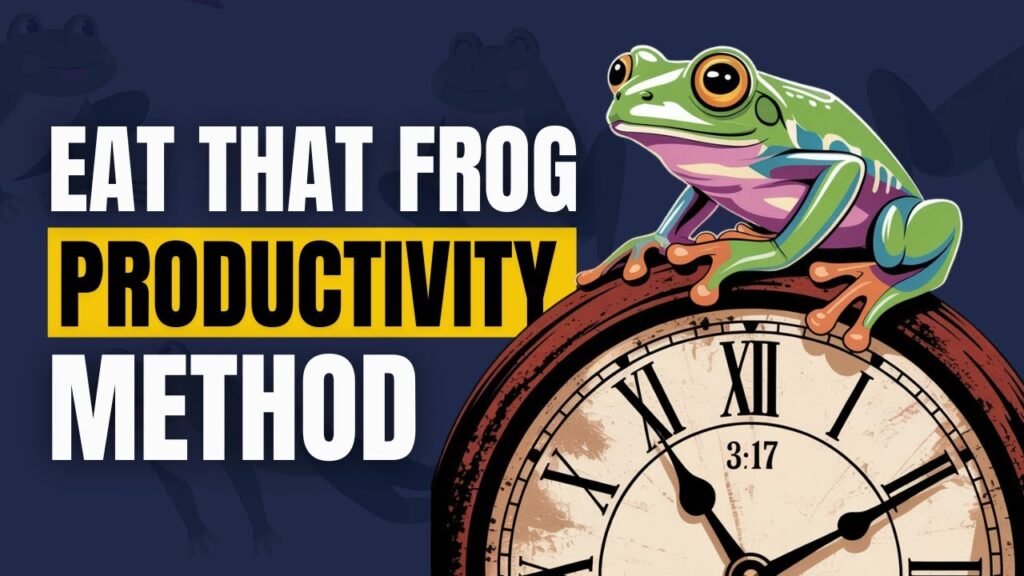
Eat That Frog – Mastering Focus and Productivity in Supply Chain Management
By ENG Jamal Ahmed | SupplyChainABC
🎯 Introduction: What Does It Mean to “Eat That Frog”?
In Brian Tracy’s classic productivity book Eat That Frog, the “frog” represents the most important and challenging task on your list — the one that drives the greatest results, yet is often the most difficult to start.
Tracy’s timeless principle is simple but profound:
If you start each day by tackling your toughest and most important task first, you’ll build unstoppable momentum toward success.
For professionals in Supply Chain Management, this concept is more than time management — it’s strategic prioritization in an environment full of competing demands, deadlines, and disruptions.
🧭 1. Clarity Is Power: Define Your Goals
No productivity system can work without crystal-clear goals.
Write down what you want to achieve this year, this quarter, and this month. Then, identify the few objectives that will make the biggest difference.
Ask yourself daily:
“What three outcomes, if achieved this month, would transform my performance?”
Clear goals bring focus — and focus reveals which tasks truly matter.
⚖️ 2. Apply the 80/20 Rule to Your Workload
The Pareto Principle reminds us that 80% of results often come from just 20% of efforts.
Not all tasks are equal — a few generate strategic impact, while many consume energy without real return.
Each morning, identify:
“Which one or two tasks, if completed today, will make the biggest impact on my results?”
That’s your frog — your priority.
🧩 3. Prioritize with the ABCDE Method
Tracy’s ABCDE technique offers a systematic way to organize your to-do list:
- A: Tasks of critical importance — major consequences if not done.
- B: Important tasks — some consequences if delayed.
- C: Nice to do — no real consequences.
- D: Delegate — others can handle effectively.
- E: Eliminate — unnecessary or low-value tasks.
Start with A-1, your “big frog,” and refuse to move on until it’s done.
📅 4. Plan Each Day in Advance
Plan tomorrow before you leave work today.
List your tasks, rank them ABCDE, and schedule your most important task for your first working hour.
Planning in advance can save hours of wasted effort and confusion.
🕒 5. Work in Deep Focus Blocks
Reserve 60–90-minute uninterrupted sessions for your key tasks.
Silence notifications, close your email, and dedicate full attention.
Afterward, take a short break before resuming.
Focus intensity matters more than total working hours.
💪 6. Defeat Procrastination with Action
Perfectionism and hesitation are productivity killers.
Start even if conditions aren’t perfect — small progress beats endless planning.
Use three anti-delay strategies:
- Start small: Begin with 5 minutes of real work.
- Short lists: Keep 3–5 key priorities per day.
- Positive pressure: Set deadlines or share commitments with colleagues.
🚀 7. Develop Your Core Competencies
When you’re skilled, work becomes easier and faster.
Commit weekly time to build your high-value supply chain skills — e.g., Excel analytics, demand forecasting, WMS optimization, negotiation, or leadership.
Mastery reduces resistance and boosts confidence.
📈 8. Focus on Results, Not Activity
Being busy isn’t the same as being productive.
Before starting any task, ask:
“Does this move me closer to my key goals, or is it just activity for comfort?”
High performers focus on outcomes, not effort.
🧹 9. Optimize Your Work Environment
A cluttered workspace leads to a cluttered mind.
Keep your physical and digital areas organized:
- Clear your desk.
- Arrange files and tools for quick access.
- Remove distractions before starting your key task.
A clean space fosters clear thinking and faster execution.
🔁 10. Discipline and Consistency Build Momentum
Time management isn’t about working harder — it’s about working smarter, consistently.
Each day you “eat the frog first,” you strengthen your focus muscle.
Success comes not from one perfect day, but from steady progress over time.
🧠 Practical Application in Supply Chain Management
1. Define Your “Frog” Tasks
Typical high-impact “frogs” for supply chain professionals include:
- Analyzing OTIF (On-Time-In-Full) and identifying root causes of delays.
- Optimizing safety stock and reorder points for key SKUs.
- Re-designing warehouse layout or transport routes for efficiency.
- Developing KPI dashboards linking sales, inventory, and logistics.
These are strategic, high-value tasks — often postponed because of operational noise.
2. Structure Your Workday
End of Day:
- Plan tomorrow’s tasks and rank them ABCDE.
- Identify one or two “A-level frogs.”
Start of Day (First 90 Minutes):
- Work exclusively on your top frog.
- No emails, messages, or meetings.
Throughout the Day:
- Handle secondary tasks and team coordination.
- Review your progress each evening and plan ahead.
3. A 7-Day Implementation Plan
| Day | Focus | Outcome |
|---|---|---|
| Day 1 | Write your 6–12 month supply chain goals. Identify 10 tasks that support them. | Clear vision. |
| Day 2 | Classify tasks using ABCDE. Start with your first “frog.” | First high-impact win. |
| Days 3–4 | Continue with new frogs. Clean up your workspace and files. | Better focus. |
| Day 5 | Review the week. Count completed frogs. Adjust next week’s plan. | Performance insight. |
| Days 6–7 | Learn one new skill that makes future frogs easier (e.g., data visualization, Lean tools). | Skill upgrade. |
🌟 Conclusion: Leadership Through Action
In supply chain management — a field driven by complexity, cross-functional collaboration, and constant change — productivity is not about working longer hours; it’s about doing the right things at the right time.
Brian Tracy’s Eat That Frog offers a timeless formula:
Identify your biggest, toughest, and most valuable task — and tackle it first.
Make this a daily habit, and you’ll not only transform your performance but also inspire your entire team toward a culture of focus, discipline, and excellence.
Eat That Frog! by Brian Tracy Full Audiobook




Responses